Pre-orders and releases in a TCG shop: a guide
Managing TCG shop pre-orders and releases without overselling: allocations, deposits, communication and a fast checkout for launch day. What to prepare first.
By Paul Hilmarcher, founder of Echo TCG, working hand in hand with card shops.
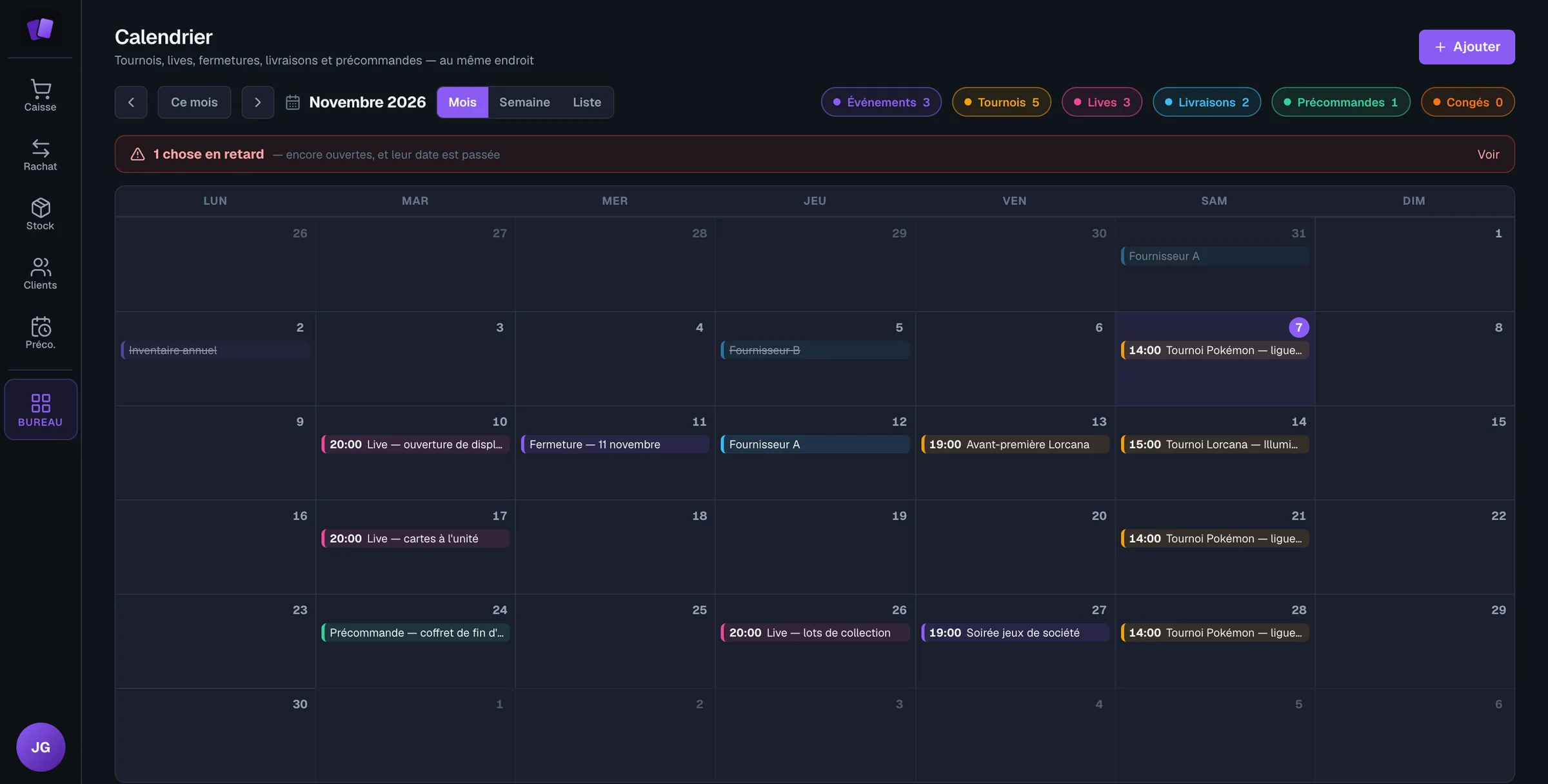
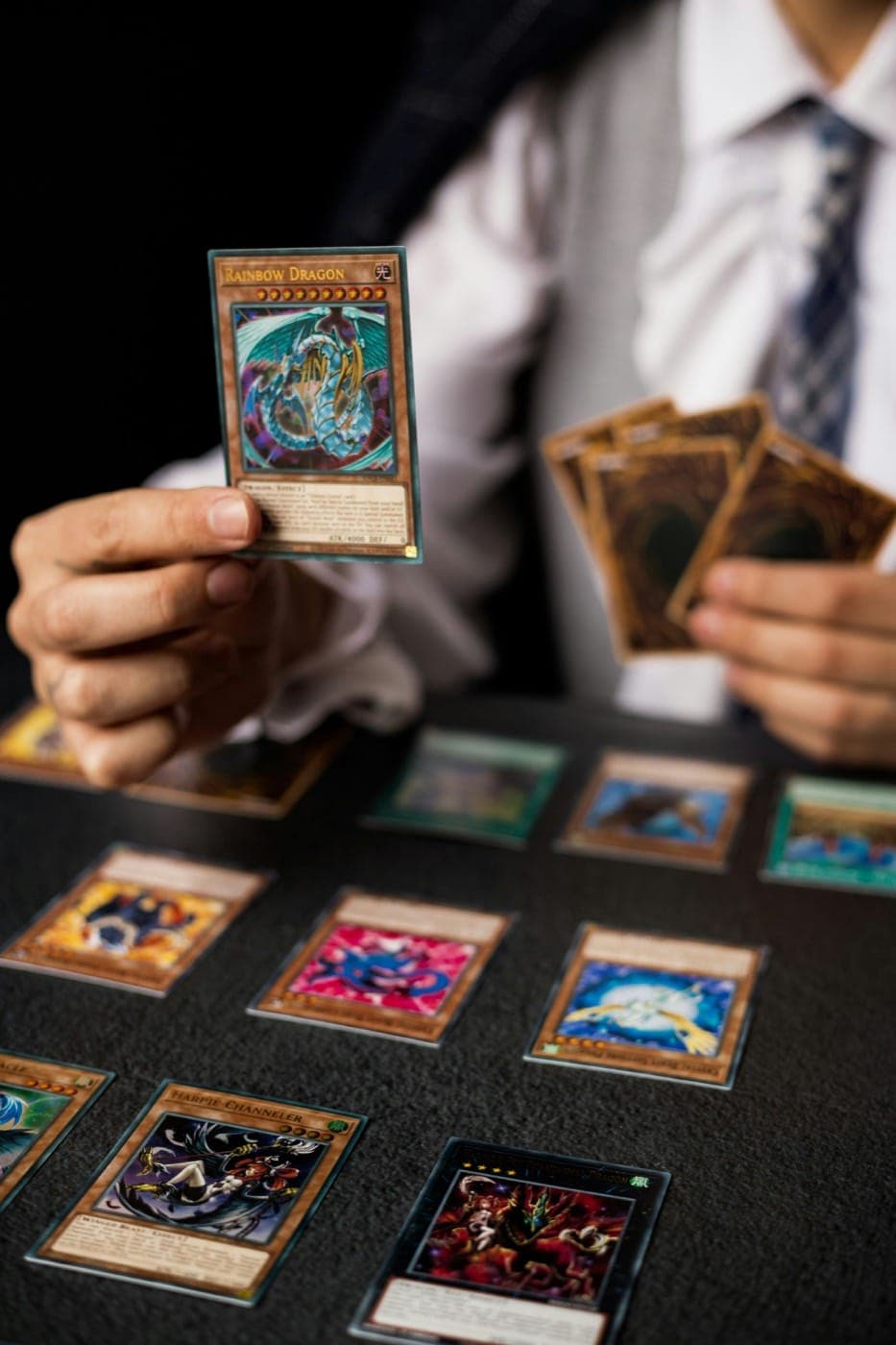
A set release is the best and worst day of the month. Pokémon, Magic, Lorcana: with every new wave, customers pour in, pre-orders pile up, and the queue at the till grows. Every shop knows the core problem: you never receive as much product as you could sell. Distributors hand out limited quantities, and it falls on you to handle a spike in activity without slipping up or making people wait.
Match pre-orders to the allocation you receive
The first and costliest mistake is overselling. You take pre-orders beyond the stock your distributor allocates, and on release day you have to cancel orders already paid for by loyal customers. Nothing damages a reputation faster.
Cap pre-orders at your allocated stock. Until you know your firm allocation, stay cautious about how many reservations you open. A clear waitlist beats a promise you cannot keep.
- Open pre-orders only once the allocation is confirmed, or keep a safety margin.
- Keep an up-to-date list of reservations, with customer name, product and quantity.
- When the quota is reached, move the next customers to a waitlist rather than a flat refusal.
Secure orders with a deposit
Free pre-orders turn into cancellations on launch day: a customer reserves three boxes with no commitment, changes their mind, and you are left with tied-up stock. A deposit solves this.
Asking for a deposit at reservation, or full payment, commits the customer and limits last-minute drop-offs. It also gives you real visibility on demand: the people who pay are the ones who will show up. The deposit amount is yours to set; what matters is that it is significant enough to count as a commitment, without blocking a regular's impulse buy.
Communicate ahead and prepare pickups
A customer who does not know when to collect their pre-order comes back twice, or not at all. Communication removes that friction and frees up the till on release day.
- State the release date and pickup terms clearly when the pre-order is taken.
- Notify by email once the product has arrived and is ready for collection.
- Prepare pickups in advance: products set aside, labelled with the customer's name, grouped by collection day.
On launch day, a customer just collecting an already-paid box should be out in seconds. That frees up the checkout for walk-in sales, which often make up a large share of a release's revenue.
What if the delivery does not cover all reservations?
Count the products actually received before telling customers their order is ready. Supplier confirmation does not replace checking the parcel: a similar reference, a different language or damaged packaging may prevent you from handing over the expected product. Compare each delivered reference with the order and separate discrepancies that need clarification.
Then review reservations using the rules the shop announced. Distinguish what can be collected now from what still depends on another delivery. Contact affected customers individually with the known facts and the next update point. Do not present a new date as certain unless the supplier has confirmed it. Assign this follow-up to a named person so customers do not receive different answers from different staff members.
How do you prepare pickups without mixing up two orders?
Associate each prepared group of products with a unique reservation reference and check its contents with the customer before handing it over. Two orders may concern the same set while differing in format, language or quantity. Sorting only by name becomes unreliable when several people share a name or collect multiple orders.
Prepare an area separate from products available for general sale, with clear markers for staff. At pickup, match the reservation, the prepared contents and the amounts already paid. Immediately record what was handed over and what remains to be collected, so another seller can continue handling the order. At the end of the day, check orders still in this area: a product left behind should correspond to an open reservation, not an assumed available quantity.
A checkout that holds up under the rush
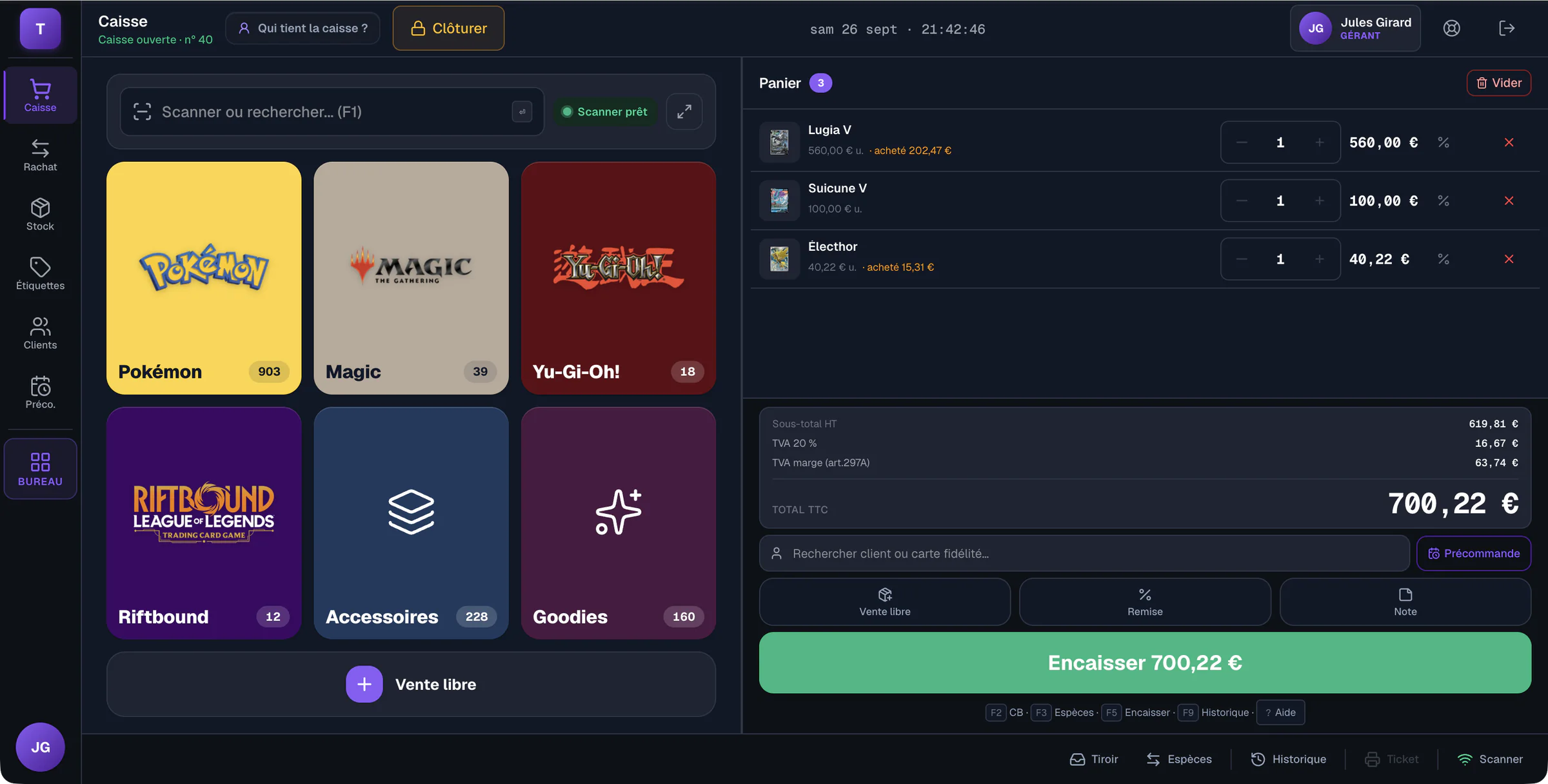
The real test of a release is the launch-day peak. Pre-orders to fulfil, on-the-spot purchases, customers opening boosters in store and coming back to buy more: it all converges on the till within a few hours. A slow checkout creates a queue, and a queue drives away add-on sales.
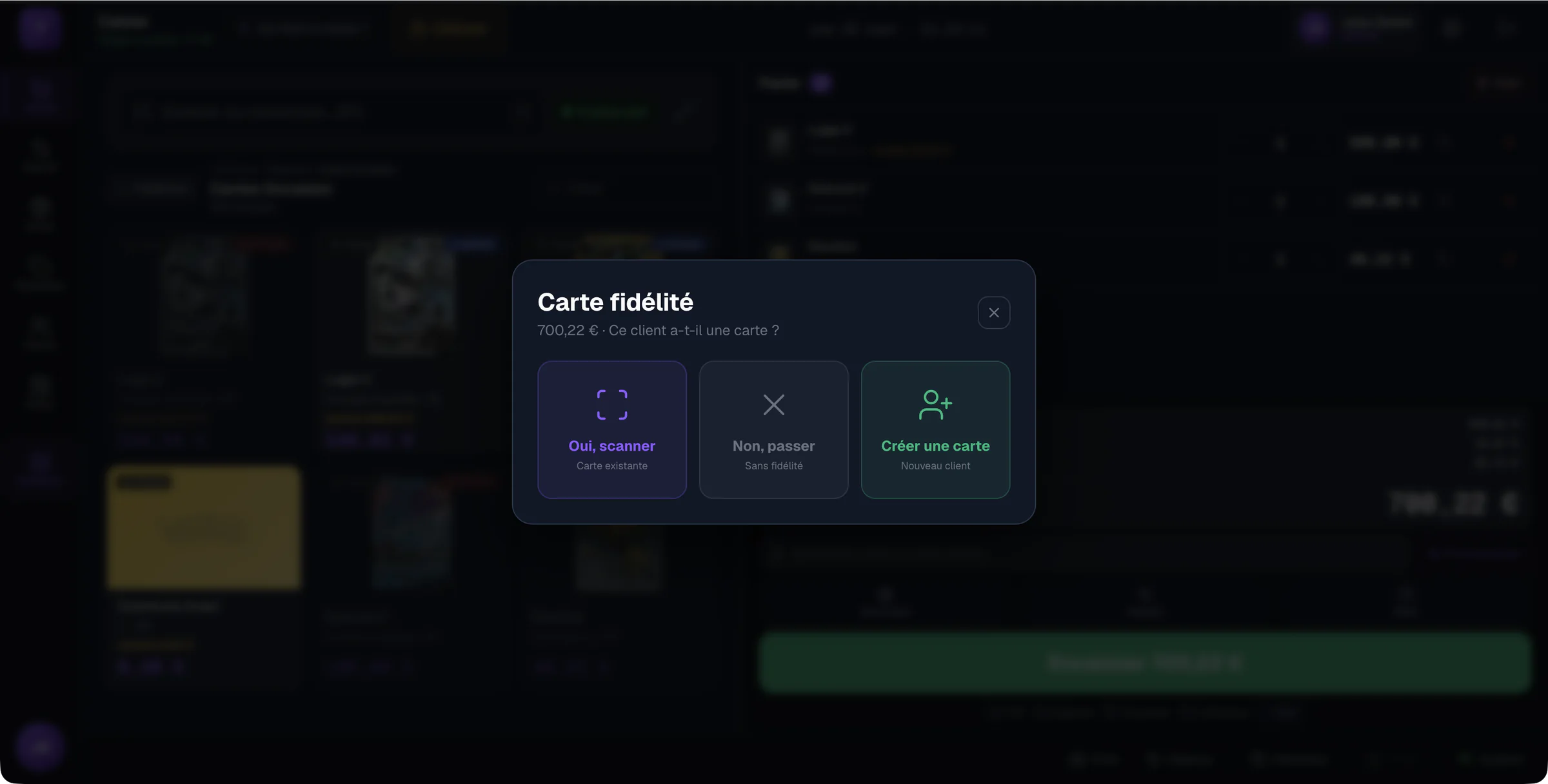
To absorb that volume you need a fast checkout that can ring up a basket in a few taps, and ideally several tills open in parallel at peak hours. This is exactly the scenario Echo TCG was built for: pre-order management on one side, a fast multi-till checkout on the other, to handle the rush without breaking the rhythm. Echo TCG's features, prices and limits are set out on a single page.
Frequently asked questions
- When should you announce that a pre-order is ready?
- After receiving, counting and checking the reference, language and packaging condition. A quantity announced by the supplier is not enough to confirm that the expected product can be handed over.
- How do you track an order collected in several visits?
- Distinguish products already handed over from those still expected or prepared. Update this record at each visit and give the whole team the same information to prevent the same item being collected twice.
- How do I avoid overselling pre-orders for a TCG release?
- Cap pre-orders at the stock your distributor allocates, and only open reservations once the allocation is confirmed, or keep a safety margin. When the quota is reached, move the next customers to a waitlist rather than refusing outright.
- Should I require a deposit for pre-orders in a card shop?
- Yes. A deposit at reservation, or full payment, commits the customer and limits last-minute drop-offs. It also gives real visibility on demand, since the people who pay are the ones who will show up.
- How do I handle the launch-day rush without driving customers away?
- Prepare pickups in advance (products set aside and labelled with the customer's name) and use a fast checkout, ideally with several tills open at peak hours. A slow checkout creates a queue, and a queue drives away add-on sales.
Echo TCG: the POS and management software for card shops.
From €49 a month, with no commission on your sales. See pricing