Making your card shop known when it opens
Prepare to introduce your card shop through online maps, window signs, opening events, local clubs, social media, press, leisure partnerships and loyalty.
By Paul Hilmarcher, founder of Echo TCG, working hand in hand with card shops.
Where should you start when announcing the opening?
Start with clear information about the location, the offer and how to visit. Before publishing announcements in different places, write a description the team can reuse: what the shop offers, whom it serves, where it is and how people can find its opening hours. Collectors, families and players looking for opponents may discover the same shop with different questions. Help them understand what they will actually be able to do there rather than assuming the name of a game explains the whole offer.
Connect this work with the guide to opening a card shop and the opening calendar. Announce confirmed information and keep uncertain projects in your internal preparation. Assign responsibility for updating materials if an activity or opening time changes. Communication continues after publication: someone must answer questions, correct ambiguity and check that visitors find the experience they understood from the announcement when they arrive at the premises.
How should you prepare a listing on online maps?
Prepare a business listing with accurate contact details and a description that reflects the shop. On Google or other online maps used by visitors, check the name, address, marker position and contact method. If a listing already exists, look for the service's procedure for managing it before creating a competing entry. Prepare the information requested and follow the service's instructions, without assuming a particular verification deadline or treating submission as confirmation that the listing is visible.
Add current photographs showing the entrance and helping people recognise the premises from the street. Review normal hours and any special opening arrangements. Do not present information as settled while it remains undecided. Follow the route someone unfamiliar with the area would take: an accurate address can still be confusing when the entrance is inside a courtyard or on a different side of the building. Describe that practical detail plainly when the listing allows it.
- Describe the games and activities actually offered, using the guide to choosing games for the shop.
- Keep the listing, announcements and information in the shop window consistent.
- Answer enquiries with useful information and avoid publishing personal details about the people who contact you.
Review the listing from a visitor's perspective. Look for the entrance, hours and way to ask a question. Having a listing does not guarantee visibility or visits: it is information to maintain as part of welcoming people, alongside the other explanations they may encounter.
What should the window and signs show?
Show what people can find in the shop and how to enter it. Passers-by should be able to recognise the business, understand its activity and find the hours without knowing the games displayed. Pair products with plain descriptions such as collectible cards, card games, accessories and gatherings, according to the actual offer. Avoid filling the window with so many posters that practical information becomes difficult to locate or read from the pavement.
Plan positions with the guide to fitting out a card shop and the questions covered in the commercial premises guide. Clarify the conditions applicable to signs and displays before having them made. Choose wording that is readable from where visitors pass, then review it on site. An announcement designed on a screen may become hard to understand behind a window with reflections, products and other notices competing for attention.
Separate regular hours from an invitation to a particular evening. Inside, indicate where visitors can ask for advice, join an activity or wait when staff are occupied. Ask someone unfamiliar with the shop what they understand from these signs. Their hesitation provides a specific question to address; there is no need to fill every available surface simply because an opening is approaching.
How should you prepare an opening evening or tournament?
Choose a gathering the team can host with the resources actually available. A discovery evening, casual games and a tournament require different explanations. Describe the game, expected experience level, format and way to participate. Clarify registration, whether equipment is provided and the conditions that apply. Do not let the word opening imply that every activity can be joined without preparation, particularly when someone might arrive without the cards or knowledge needed to participate.
The guide to associations, clubs and tournaments helps allocate responsibilities. The article about building a player community covers beginners and people arriving alone. Prepare the roles of the person greeting visitors and the person running the activity, even if the team adjusts those roles during the event. Review the proposed activities alongside the insurance guide to prepare relevant questions for your contact.
- Write an announcement explaining how to ask a question and how to tell you about a cancellation.
- Explain participation conditions before registration and publish changes through the channels used for the invitation.
- Include visitors who only want to discover the shop or buy something in your staffing and space arrangements.
After the gathering, ask what was clear and what was missing. Avoid immediately promising a follow-up that has not been prepared. Collect suggestions, then announce another activity once its organisation is settled and the team can explain what participants should expect.
How should you approach local clubs and players?
Introduce the project to clubs and players by starting with their existing activities. Look for publicly announced gatherings, play venues and local leisure associations. Send a short introduction to the organiser and ask how to discuss the project without interrupting their activities. Explain what the shop offers and what you hope to learn about local habits, without treating club membership as a customer list to acquire or assuming that members want commercial messages.
Listen for concrete needs: discovering a game, finding opponents, organising a gathering or obtaining particular products. The player community guide helps prepare a welcome that matches those requests. If collaboration is considered, agree who announces it, who hosts and how participants receive information. An invitation passed on by a club does not replace an explanation available in the shop, especially for people who arrive without having read the original message.
Respect the channels organisers agree to use. Let people choose to contact you and avoid automatically adding them to a discussion group. Keep a record of commitments so staff know what was offered. If an idea cannot be ready for opening, say so before it is shared as a confirmed activity. A clear limit is more useful to an organiser than an invitation whose practical arrangements remain unresolved.
How should you use social media and a discussion channel?
Choose spaces the team can maintain and give each a clear purpose. Social media can present the premises, available products and gatherings; a discussion channel can support questions and conversations between participants. Decide who responds and how people report a problem. A space created for opening must remain managed afterwards or be described from the outset as temporary, with clear information about where practical announcements will move when it closes.
Prepare useful posts: recognising the entrance, understanding an introduction session, learning about changed hours or finding participation instructions. Use photographs that show the subject and obtain permission from recognisable people before publishing their images. Avoid suggesting availability that has not been confirmed. An enquiry on a social network is not a sale, and opening communication does not need to announce online selling. Keep the distinction clear when someone asks about an item seen in a photograph.
Within the discussion channel, make the conversation rules, next gathering's details and way to contact staff easy to find. Separate open discussion from announcements so practical information remains retrievable. Observe repeated questions and improve the corresponding explanation. People who prefer to ask in the shop should receive the same information without being required to join the group or use a particular service.
How should you contact local press and leisure businesses?
Offer the press and neighbouring businesses information useful to their readers or visitors. For local press, prepare a description of the project, usable photographs, a contact person and confirmed opening information. Explain the shop as a place to visit or meet, without predicting future success. Leave the editorial team to decide whether the subject is relevant and how any coverage would be presented; an introduction does not establish an agreement to publish.
With other leisure businesses, look for a practical connection between activities. A bookshop may receive questions about games, while a leisure venue may welcome families interested in a discovery session. Suggest exchanging posters, sharing information or arranging an activity only when each participant can explain their contribution. Ask permission before leaving materials or using a partner's name in an announcement, and check that the description reflects what was actually agreed.
Prepare responsibilities as you would for club relationships. Keep the agreed conditions and ask partners to review shared wording. Do not describe an encouraging conversation as an established partnership. After opening, return with useful information and any corrections, without assuming that an article or recommendation is owed to the shop or that previous interest means every future announcement will be relayed.
How should you prepare loyalty from opening day?
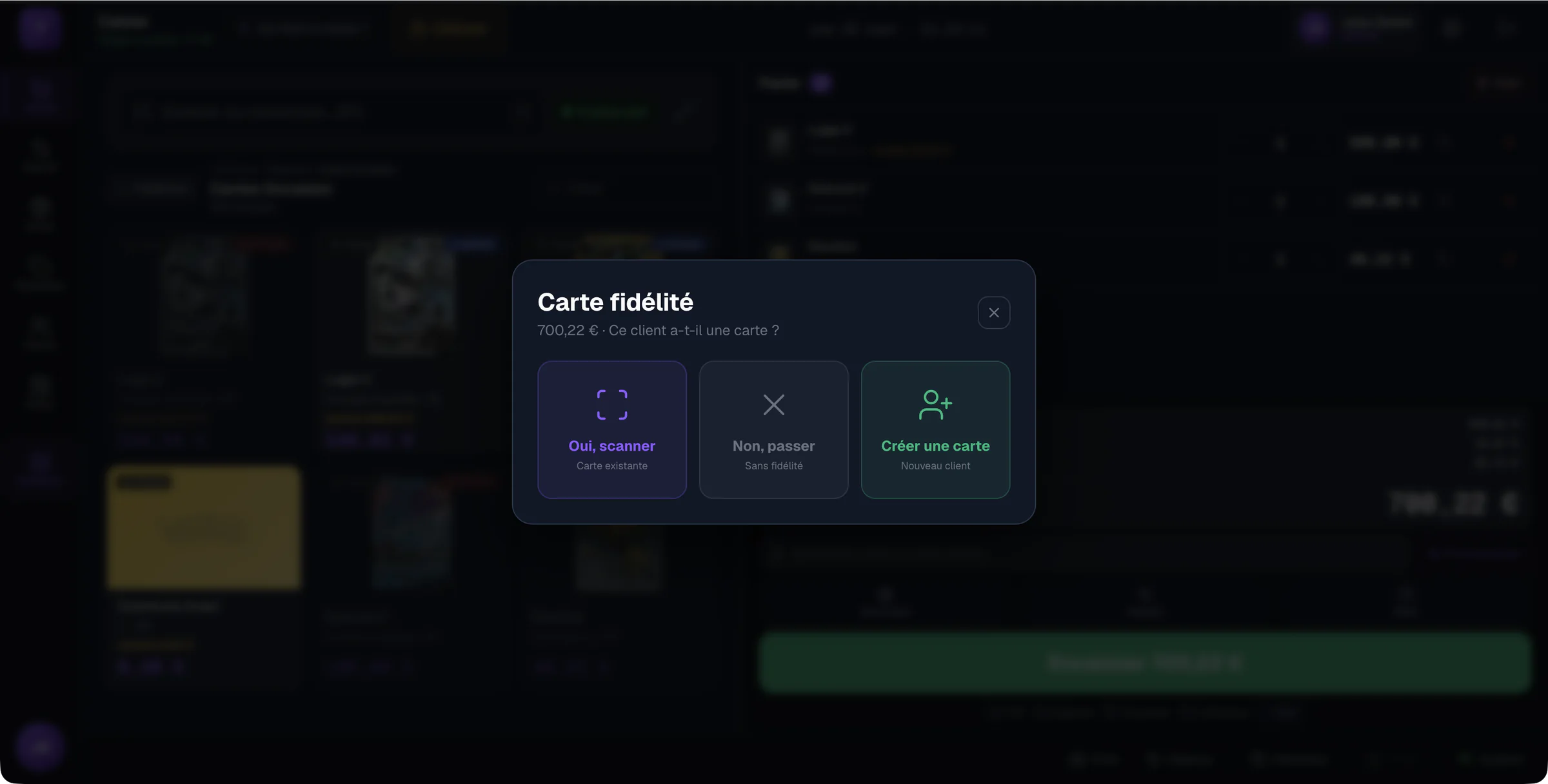
Prepare loyalty conditions the team can explain from the first purchases. Decide what creates a benefit, how customers find it and which conditions govern its use. Review the rules with the loyalty programme guide. A clear explanation at the till gives staff a common basis for answering questions rather than leaving the poster, social post and individual conversation to suggest different offers. Check how the same conditions will be presented wherever the opening is announced.
On the Pro plan, Echo TCG provides loyalty points, tiers and vouchers. Whatever tool you choose, prepare how to introduce the programme and answer ordinary questions. Separate joining loyalty from subscribing to communications: ask what customers wish to receive and give them a clear way to express their choice. Declining to join a channel should not make programme conditions inaccessible or prevent someone from finding practical information about visiting the shop.
After opening, ask visitors how they heard about the shop without making an answer compulsory. Compare their feedback with incoming questions and the work required of staff. Keep activities you can maintain, correct unclear information and prepare the next steps with the opening calendar. The purpose is to understand conversations and organise their continuation, without attributing a result to a poster or publication when you cannot establish that connection.
Frequently asked questions
- What should a card shop publish before opening?
- Publish confirmed information about the location, access, hours, available offer and conditions for announced activities. Keep the description consistent across your chosen channels and assign responsibility for updating changes.
- Does the opening need a tournament?
- No. A guided introduction or casual games may suit your audience and resources. Choose a format the team can explain and host, then make the participation conditions clear.
- How can clubs be asked to share the opening?
- Introduce the project to the organiser, listen to the group’s habits and ask what exchange would be useful. Agree on wording and commitments before publication, and let members choose to contact you.
- Should loyalty start when the shop opens?
- You can offer it when the conditions are ready and understandable to staff and customers. Explain how benefits are earned and used, and keep loyalty membership separate from subscribing to communications.
Echo TCG: the POS and management software for card shops.
From €49 a month, with no commission on your sales. See pricing