Which card games should your shop carry?
Choose card games for your shop using local demand, collecting and competitive needs, release planning, pre-orders, storage and a gradual approach to ranges.
By Paul Hilmarcher, founder of Echo TCG, working hand in hand with card shops.
Which card games should a shop start with?
Start with games for which you can identify local demand and provide a consistent service. A familiar name does not tell you who will visit, what they want to buy or how your team will support them. Your range should suit the people around the shop, the knowledge of your staff and the space available. It can grow as you learn, without attempting to represent every game from the day you open.
Write down what you actually know: games requested, products sought, preferred languages and reasons for visiting. Keep these observations separate from your own favourite games. The guide to opening a card shop in France places the range within the wider opening process. The article on card shop customers helps distinguish needs without putting people into fixed categories. A collector may also want to play, while a tournament regular may be looking for a present rather than something for their next event.
How can you find the players near your shop?
Observe existing events and ask players, clubs and visitors specific questions about their habits. Read public announcements for local tournaments, speak with organisers and find out which formats actually bring people together. Look beyond organised competition as well: friends playing at home, family activities and collection exchanges may be less visible. The absence of an advertised tournament leaves a question to investigate; it does not establish that nobody nearby is interested in the game.
At the shop, ask what the visitor wanted today, in which language and for what purpose. A request for a particular single, a product for a new player and a wish to explore a fictional world need different responses. Keep a summary of requests without collecting unnecessary personal information. Revisit recurring needs and ask interested visitors how they would like to play. The guide to player associations and clubs can help you prepare discussions with local organisers who already understand their members’ habits.
Do not treat enthusiasm in a discussion group as an order. Someone may welcome a new range while already owning the products you intend to carry. Ask what is missing, what would justify a visit and what they would like to try. Where answers remain vague, arrange a discovery session before building a deep range. Questions asked during the session and the interest shown afterwards will give you something more concrete to evaluate, even if you decide not to expand.
Should collecting and competitive play be treated separately?
Distinguish collecting needs from competitive needs, without assigning each game permanently to either category. A collector may seek a character, illustration, edition or particular presentation. A competitive player may need a card for a deck, a suitable starting product or opponents who play the same format. These purposes influence advice, storage and ordering even when the customers are asking about the same game. Keep room for casual play as well, rather than making organised competition the assumed destination for every newcomer.
Ask regulars about their practice instead of inferring it from a game’s name. An introductory activity, an open play session and a tournament require different support. Check that staff can explain the products they recommend and direct visitors towards an appropriate activity. When the team does not yet know a format, allow time to learn and identify someone who can help. Clear advice about the service you can provide is more useful than an ambitious range that staff cannot confidently explain.
How can games be compared without inventing a ranking?
Compare games using the same local questions, rather than an assumed popularity ranking. Pokémon, Magic, Yu-Gi-Oh!, One Piece, Lorcana, Riftbound and Naruto are examples to consider against the needs of your own visitors. Their inclusion here recommends neither an opening quantity nor a national order of priority. For each, look for specific requests, a workable supply arrangement, the ability to advise customers and opportunities for play that the shop can actually organise and support.
The articles devoted to individual games explore related shop management tasks. Use them to prepare questions, then complete your own range notes using information from visitors and suppliers. Keep uncertainty visible instead of replacing missing evidence with assumptions about how a game performs elsewhere.
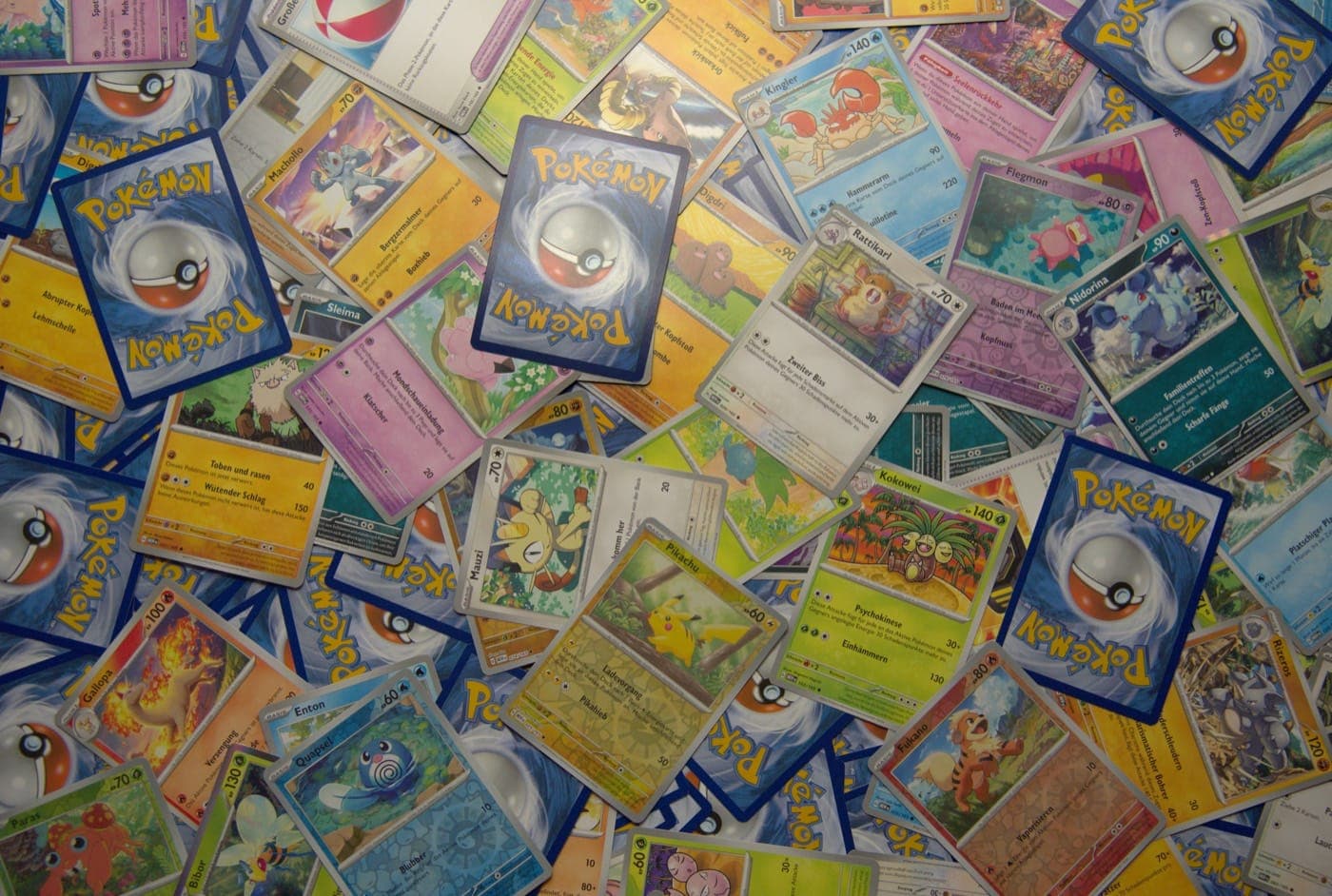
- For Pokémon, record the collecting, discovery and playing needs you have actually encountered.
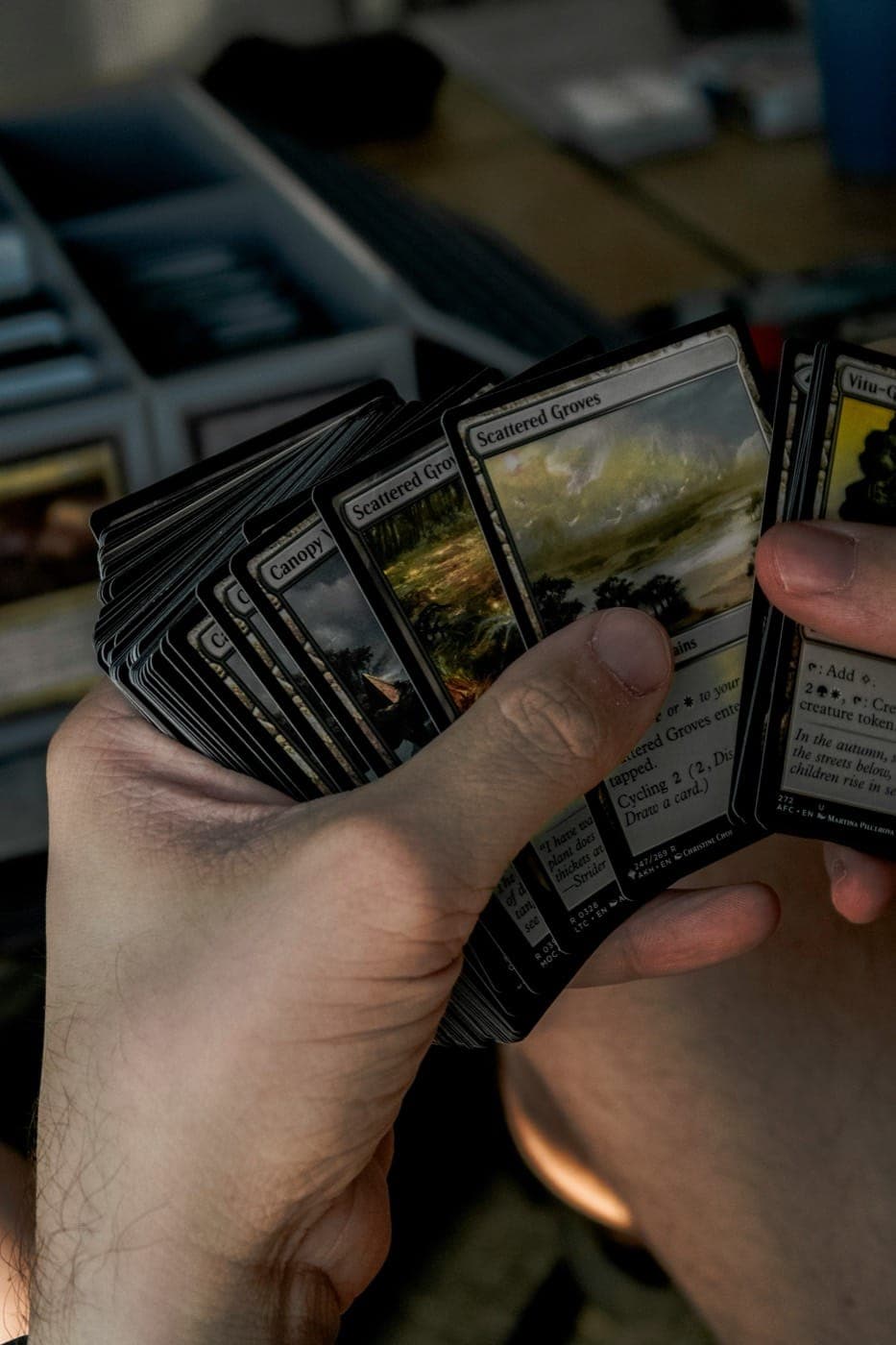
- For Magic, identify the formats played locally and the requests for cards or products that follow from them.
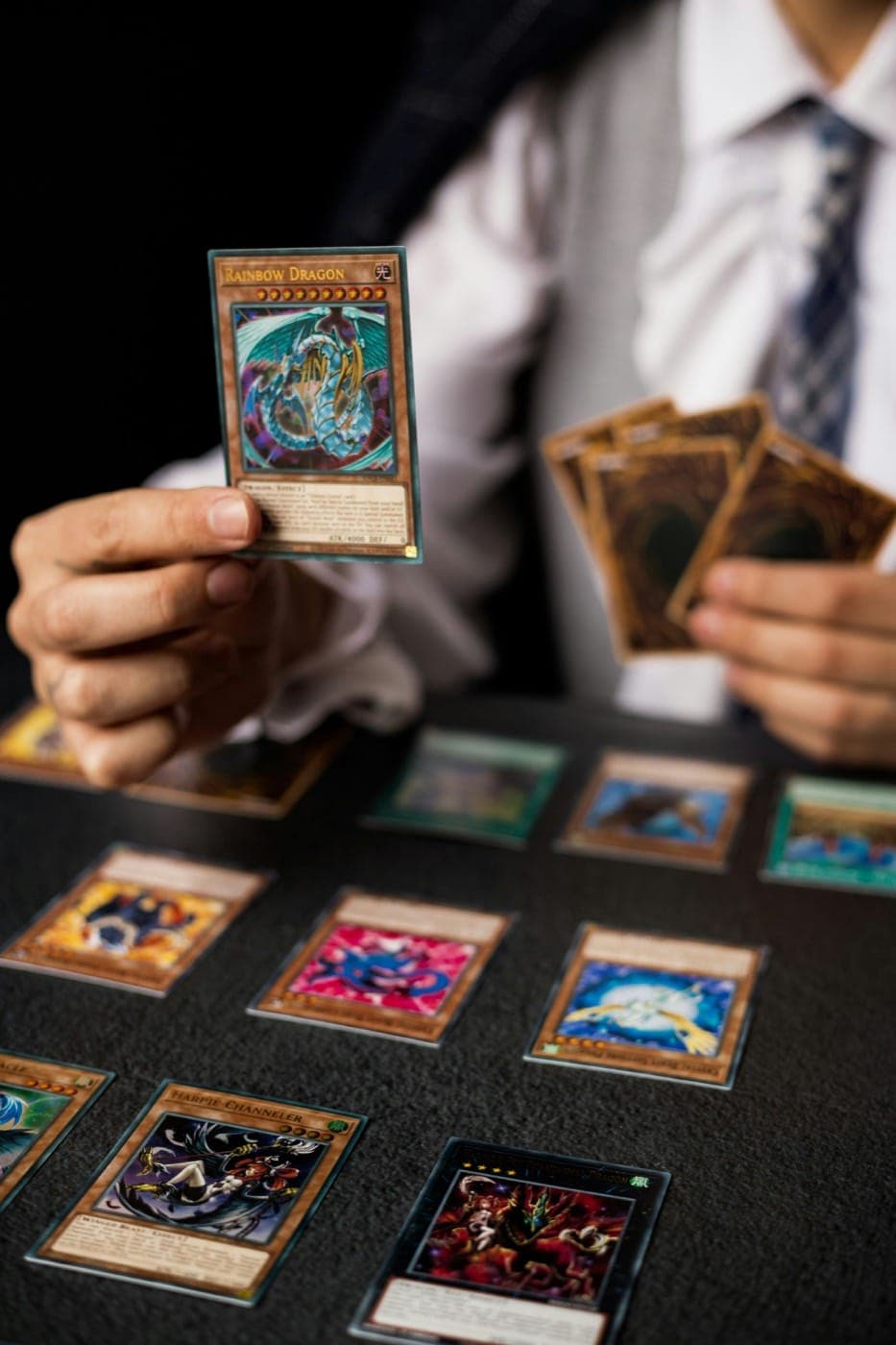
- For Yu-Gi-Oh!, check what players ask for and whether the team can help them find suitable products.
- For One Piece, distinguish confirmed requests from general enthusiasm for the fictional world.
- For Lorcana, consider introductory opportunities and the habits of people who want to return to play.
- For Riftbound and Naruto, use the same enquiry process without treating recognition of the name as evidence of local demand.
How should releases and pre-orders be prepared?
Prepare releases using information confirmed by suppliers and requests collected in the shop. A publisher’s schedule does not by itself establish what your shop will receive. Keep announced products, quantities requested from the supplier and confirmed availability separate. When the information changes, update your preparation before answering customers. This makes it easier to explain the difference between an expression of interest, a supplier request and a reservation you are able to fulfil.
Plan the work around delivery as well: somewhere for incoming boxes, product identification, reserved stock storage and communication with the people concerned. The guide to pre-orders and releases explores that organisation. A range may look attractive but become difficult to support if deliveries arrive when the team is already busy. Check that staff can still welcome ordinary shoppers and run the activities already announced. A new release should fit into the shop’s working capacity rather than silently consuming it.
How much shelf and storage space should each game receive?
Give each range space that reflects observed demand and the work required to manage it. The visible shelf is only part of the requirement: products must also be received, identified, stored and found again. Define places for available items, customer reservations and goods awaiting shelving. Staff should be able to answer a request without moving an entire display or searching through mixed boxes. Review the arrangement when a range changes, rather than assuming its original allocation remains suitable.
Connect these choices with the guides to opening stock and fitting out a card shop. Occupied gaming tables should not prevent access to products or obstruct circulation. Consider accessories used across several games without automatically attributing every accessory purchase to a particular range. Make languages, editions and intended uses clear on labels. A comprehensible range also helps staff identify missing references and products that remain on display without attracting requests from the customers actually visiting.
When should singles and card buybacks be introduced?
Introduce singles and buybacks when staff can identify, inspect, organise and retrieve the cards concerned. These services require more than a display area. The team needs to recognise versions, languages and condition, explain its proposals and maintain a dependable filing system. Cards waiting to be assessed consume working time and make the true contents of the inventory harder to understand. Consider the full handling process before accepting a collection simply because its headline contents appear interesting.
Begin with requests you understand and references you can reliably track. Explain which cards the shop will examine and which it does not accept. Arrange appointments or assessment times around actual capacity, without promising an immediate answer while staff are busy. Check that cards offered for sale remain easy to locate after handling and customer enquiries. The purpose is to provide a useful service to players and collectors while keeping sorting, identification and storage within the work the team can complete.
How can a new game be added gradually?
Introduce a new game through a limited range and a discovery opportunity, then expand according to observed responses. Decide what you want to learn: which products interest visitors, what explanations they need and whether they want to return to play. Prepare the materials, storage and person responsible for welcoming participants. Adding a range should remain compatible with the service provided to existing communities, whose usual activities and access to advice still need to be maintained.
After the sessions, review requests fulfilled, products that attracted little interest and difficulties encountered by staff. Distinguish a timing, presentation or teaching problem from a lack of demand for the game itself. You can adjust the offer, continue observing or decide not to broaden it. The guide to building a player community supports this continuity, while the article on shop loyalty programmes helps you consider benefits without treating them as a substitute for a welcoming experience.
Keep a decision note for each range: people consulted, products selected, supplier contacted, storage planned and the next opportunity to review the choice. This makes the reasoning understandable to the whole team. It also gives you a practical basis for adapting the range to what happens in the shop, while leaving room for new requests and playing habits that become visible only after customers have started visiting regularly.
Frequently asked questions
- Which card games should a shop carry when opening?
- Choose games with identified local demand and a workable plan for advice, supply and storage. Pokémon, Magic, Yu-Gi-Oh!, One Piece, Lorcana, Riftbound and Naruto are examples to investigate for your audience, without a universal order of priority.
- Must a shop choose between collectors and competitive players?
- No. Distinguish their needs without treating the audiences as separate permanent groups. Someone may collect, play casually and enter tournaments. Ask about the intended use before recommending products and activities.
- When should another game be added to the range?
- Add it when you can explain whom it serves, how it will be supplied and who will support the first players. Start with a limited offer, collect feedback and adjust before expanding.
- Can a shop carry a game without buying back its cards?
- Yes. Begin with products the team can explain and manage. Introduce buybacks when staff can identify, inspect, organise and retrieve the cards, with conditions clearly explained to visitors.
Echo TCG: the POS and management software for card shops.
From €49 a month, with no commission on your sales. See pricing