Running official tournaments in your card shop
Running official tournaments in a card shop: the publisher's programme, preparation, entry fee and VAT, prizes and the lottery limit. A practical guide.
By Paul Hilmarcher, founder of Echo TCG, working hand in hand with card shops.
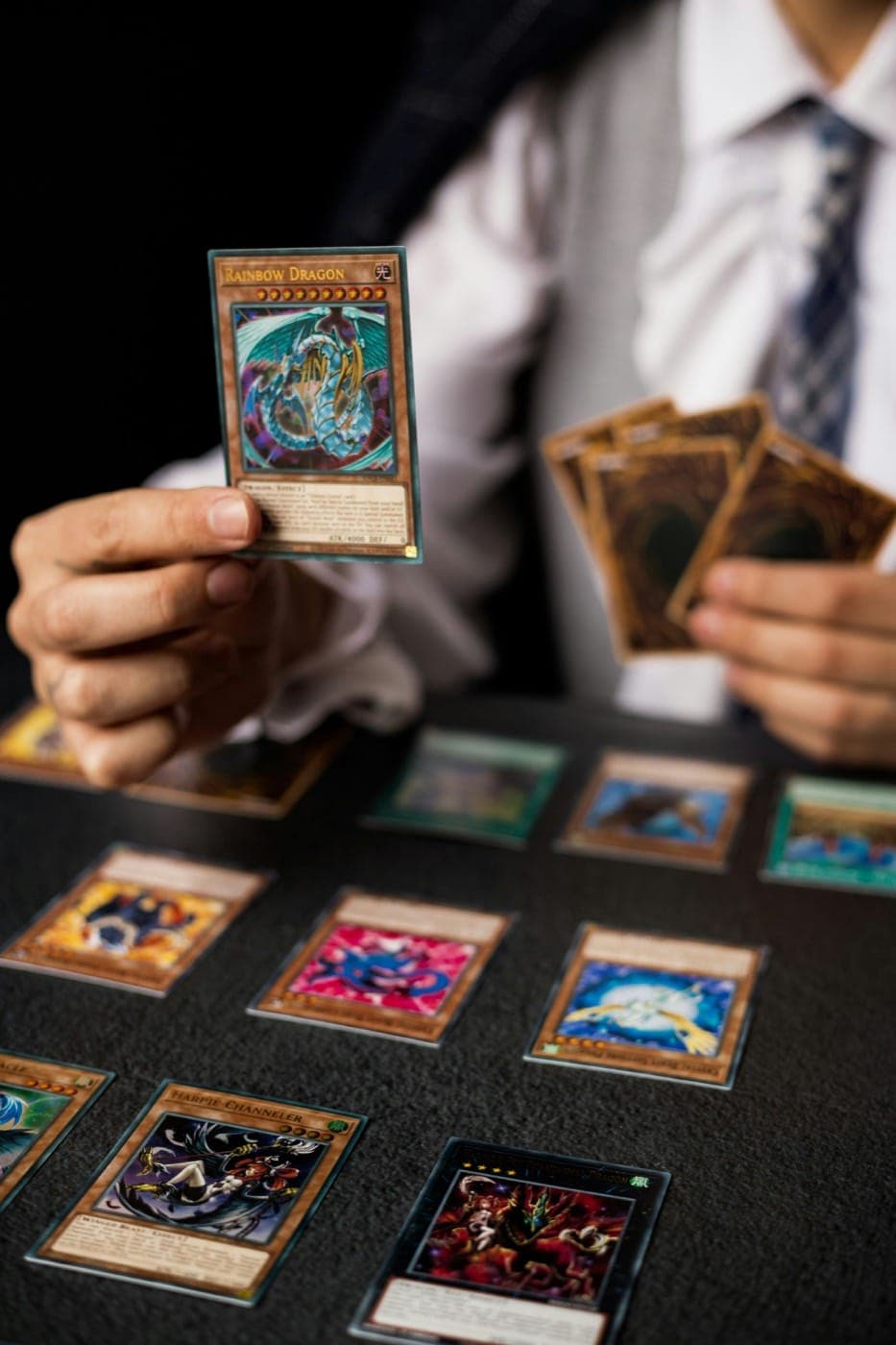
Tournaments are what turns a card shop into a place people come back to. A player who comes every week for a given format buys boosters, accessories and single cards, and talks about it. But an “official” tournament cannot be improvised: it means understanding the publisher's programme, preparing the event, taking the entry fee correctly and handing out prizes without falling under the lottery rules. This article goes through these steps in the order they come.
Official tournament and shop tournament: the difference
A shop tournament is run by you, with your rules, your prizes and your calendar. An official tournament takes place under a programme of the game's publisher: it follows its rules, uses its tools and meets its conditions. Both have a place. The first suits getting started and animating a community; the second brings the recognition of organised play and, depending on the programme, support from the publisher.
No figures are given here on access conditions, prizes or calendars: each programme sets them itself and changes them. Read them at the source before committing.
Joining a publisher's programme
The main publishers offer a programme for shops that host tournaments: Play! Pokémon for Pokémon, the Wizards Play Network for Magic, and equivalent schemes for other games. The approach is the same everywhere:
- find the programme for shops on the publisher's website and read its access conditions;
- check that your shop meets them: status, premises, people able to act as organiser or judge when the programme requires it;
- submit the request through the channel the publisher indicates, and keep a record of the approval;
- understand what the programme provides and what it requires: permitted formats, tournament rules, result-reporting tools, promotional material;
- follow the calendar and the conduct rules, which apply to your players as much as to you.
A publisher programme is separate from opening your account with a distributor: the first concerns organised play, the second supply. The guide on distributor accounts covers the second.
Preparing the event
A good tournament is won before the first game. Write down the following points and post them in the shop and on your information channels:
- the format (draft, sealed, constructed): in draft or sealed, everyone keeps the boosters they paid for, which simplifies the question of prizes;
- the date, when sign-ups open and when the first round starts;
- the real capacity: tables, seats and circulation, within what your premises can hold;
- the amount of the entry fee and what it includes;
- the nature of the prizes and how they are distributed;
- the conduct rules and who decides in case of a dispute.
Also plan the equipment: clean mats or tables, pairing sheets or a screen, a timer, dice and counters, and room for accompanying people. A tournament that is too cramped or too slow discourages more surely than a disappointing prize.
The entry fee and the till
For a shop, the entry fee is a service subject to VAT at 20%. It issues a receipt (handed over on request), and an itemised note if the fee reaches €25 including tax. Under the VAT exemption (franchise en base), there is no VAT and the note or invoice, when one is issued, carries “TVA non applicable, art. 293 B du CGI”. The article on invoice or receipt in a shop details when one or the other is enough.
Always take the entry fee at the till, never “by hand” into a drawer: a fee taken outside the till is revenue that appears nowhere. A player who has signed up and paid must be traceable on the day, and the event must reconcile with the day's closing.
Prizes and the lottery limit
The Internal Security Code prohibits lotteries, including, under conditions, games of skill (art. L. 322-1 to L. 322-2-1); no text expressly covers card tournaments. The lines below reduce the risk without removing it. What increases it: cash prizes, a prize pool built from entries, a high fee for high-value prizes, a paid draw. The lines to hold:
- a modest entry fee, presented as a contribution to costs;
- prizes in kind (boosters, cards), never cash, supplied by the organiser or the publisher and unrelated to the number of entrants;
- a participation prize for everyone when possible;
- no paid draw;
- shop vouchers only if modest; never money or refundable vouchers.
Insurance and receiving the public
Receiving the public for an event is not the everyday use of a shop: inform your insurer and check that the policy covers receiving players, the organiser's civil liability and the equipment on display. Respect your premises' capacity and keep exits clear. The guide on insuring a card shop lists the cover to examine.
Keeping tournaments going over time
A one-off tournament attracts the curious; a series builds a community. Set a rhythm you can keep, announce it in advance and do not move it without reason. Tie the event to the life of the shop: a regular player can earn points, a product release can come with a launch event. The guides on the player community, the loyalty programme and the framework for clubs and associations extend this point.
What Echo TCG does for tournaments
The tournament module (Pro plan) handles sign-ups, entry fees added to the till's cart, Swiss rounds, the podium and prizes, with lists exportable as CSV. The shared calendar, open to every plan, brings together tournaments, deliveries, pre-orders and closures. Echo TCG does not replace the steps with a publisher's programme and does not send your results to publishers. The detail is on the features page.
This article is informational and does not replace a lawyer's advice or the publishers' rules.
Frequently asked questions
- Do you need the publisher's approval to run a tournament in your shop?
- A casual or shop tournament can be organised freely, within the general rules. A tournament presented as official, with its prizes and rankings, falls under the publisher's programme: you must meet its conditions, published on its website.
- Is the entry fee subject to VAT?
- For a shop subject to VAT, it is a service at the standard rate of 20%. Under the VAT exemption (franchise en base), there is no VAT and the invoice carries “TVA non applicable, art. 293 B du CGI”. Have your accountant confirm your case.
- Can you hand out cash to the winners?
- Better avoided: cash prizes, a prize pool built from entries or a paid draw increase the risk of being classed as a lottery, which is in principle prohibited. Prizes in kind, supplied by the organiser and unrelated to the number of entrants, are safer.
- What insurance should you plan for an event in the shop?
- Check with your insurer that your policy covers receiving the public for events, and the organiser's civil liability. The guide on insuring a card shop details the cover to examine.
- Does Echo TCG send results to the publishers?
- No. The tournament module handles the shop's sign-ups, Swiss rounds, podium and prizes, and lists export as CSV. Steps with an official programme remain to be done with the publisher.
Echo TCG: the POS and management software for card shops.
From €49 a month, with no commission on your sales. See pricing